


It is no coincidence that the Middle East remains the world’s geopolitical “hotspot.” This region holds nearly 50% of global oil reserves and 40% of global gas reserves. Any tremor from the Strait of Hormuz, Saudi Arabia, Iran, or Iraq immediately ripples into a seismic event on world energy markets. This article analyzes the mechanisms, impacts, and lessons from energy crises rooted in Middle Eastern geopolitical instability.
1. Transmission Mechanism: From Geopolitical Conflict to Energy Price Shock
1.1. Strategic Chokepoint – The Strait of Hormuz
The Strait of Hormuz (between Oman and Iran) is the lifeline transporting about 20% of globally consumed crude oil daily. When Iran threatens to close this strait (often during sanctions or military confrontations), oil supplies from Saudi Arabia, UAE, Kuwait, and Iraq are blocked, sending prices soaring within hours.
1.2. Sanctions and Counter-Sanctions
Western embargoes on oil exports from Iran or Venezuela typically remove 1–1.5 million barrels per day from the market. Conversely, OPEC+ (led by Saudi Arabia and Russia) can cut production in retaliation, creating a “deliberate supply shock” – typical of 2022.
1.3. Direct Military Conflict
The Gulf War (1990–1991), the Iraq War (2003), or more recently, the Hamas-Israel conflict (2023) and attacks on oil tankers in the Red Sea have all caused geopolitical risk premiums to spike, driving oil prices higher regardless of actual supply-demand fundamentals.
2. Global Consequences: Inflation, Recession, and Power Shifts
2.1. Imported Inflation and Cost of Living Pressure
Net importing countries (Europe, India, Japan, China, Vietnam) bear a double burden: rising import bills + higher costs for transport, fertilizers, plastics, and chemicals. The result is a sharp rise in CPI, with the poor hit hardest.
2.2. Economic Recession from “Negative Supply Shock”
According to the IMF, each 10% sustained rise in oil prices over 12 months reduces global GDP by 0.1–0.2%. The crises of 1973 (Arab oil embargo) and 1979 (Iranian Revolution) caused “stagflation” – simultaneous recession and inflation – in the US and Europe.
2.3. Supply Chain Restructuring and Changing Energy Flows
Europe was forced to turn away from Russian oil and gas after 2022, instead increasing LNG imports from the US and Qatar, and seeking Middle Eastern oil via routes bypassing the Suez Canal. This increases logistics costs and transit times.
3. Policy Responses and Lessons Learned
3.1. Strategic Petroleum Reserves (SPR)
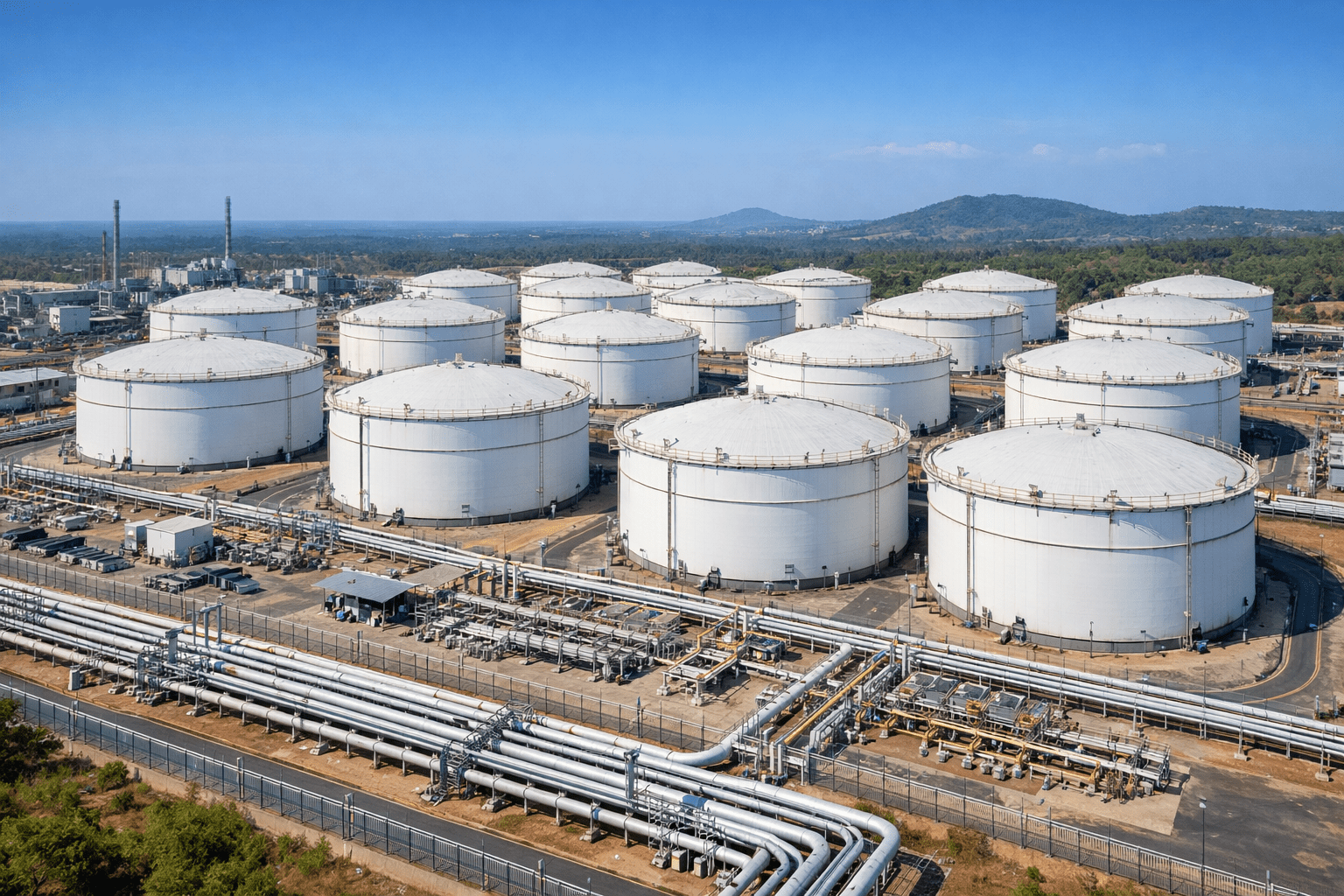
India currently has crude oil stocks sufficient for 25 days and refined fuels for a similar period. Contingency plans – including the use of strategic oil reserves, commercial inventories, and diversifying supplies from the US, Russia, West Africa, and Latin America – will ensure continuous supply even if a crisis is prolonged. The country’s total commercial crude oil inventory, including strategic reserves at Mangalore, Padur, and Visakhapatnam, stands at approximately 100 million barrels. Together with refined product stocks, this is a significant buffer against short-term disruptions.
3.2. Diversification of Supply and Renewable Energy
The EU and the UK are accelerating investment in offshore wind, green hydrogen, and solar power. China is promoting electric vehicles and battery storage. The clear lesson: The more dependent an economy is on the Middle East, the more vulnerable it is to “political will shocks.”
3.3. Energy Diplomacy Instead of Confrontation
Major powers increasingly focus on dialogue through OPEC+, the G20, and bilateral agreements (e.g., China–Saudi Arabia settlements in yuan instead of USD) to stabilize markets. However, these agreements are easily broken when military conflict erupts.
4. The Future: Will Energy Crises Caused by Middle East Geopolitics Recur?
Short-term (1–3 years): Very likely. With escalating Israel-Iran conflict, instability in Yemen, Libya, and the regional nuclear race, oil prices could hit $120–150 per barrel at any time.
Medium-term (5–10 years): Pressure will ease as renewables and EVs gain a larger share, but the Middle East will remain the swing producer determining oil prices.
Long-term: If major economies achieve energy independence (US, China, Europe) and reduce oil consumption, the Middle East’s geopolitical influence will relatively decline. But this transition will not be smooth, and intermediate shocks remain highly dangerous.
Conclusion
Global energy crises originating in the Middle East are not just a story of supply and demand. They are a reminder: The price of gasoline at the station near your home is partly determined by strategic decisions, sanctions, and even gunfire from half a world away. Therefore, any nation seeking long-term energy security must pursue a two-pronged strategy: on one hand, reduce dependence on fossil fuels; on the other, build reserves and sustainable diplomatic relations with the Middle East – the volcano that provides both energy and instability for humanity.