


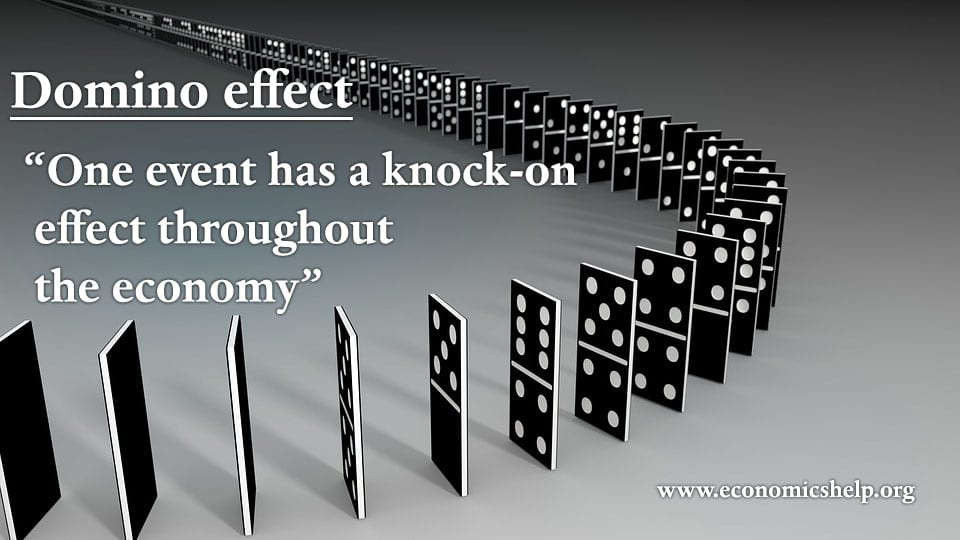
Giữa bối cảnh giá nhiên liệu tăng vọt, nhiều doanh nghiệp chỉ coi đây đơn thuần là một cú sốc chi phí đầu vào. Tuy nhiên, phân tích sâu hơn cho thấy tác động thực sự vượt xa chi phí vận tải, lan rộng qua một chuỗi logic về tài chính và vận hành, âm thầm nhưng tàn phá nặng nề hiệu suất kinh doanh.
Quan trọng nhất, thị trường hiếm khi cho phép một phản ứng hoàn hảo. Chi phí tăng không đảm bảo rằng doanh nghiệp có khả năng đẩy toàn bộ gánh nặng đó sang cho khách hàng.
1. Điều Gì Thực Sự Bị Ảnh Hưởng Khi Chi Phí Vận Tải Tăng?
Vận tải không phải là một khoản mục chi phí riêng lẻ; nó là một thành phần len lỏi khắp toàn bộ chuỗi giá trị:
-
Nguyên vật liệu đầu vào (Inbound raw materials)
-
Phân phối sản phẩm (Product distribution)
-
Logistics chặng cuối (Last-mile logistics)
Khi chi phí này tăng lên, toàn bộ cấu trúc chi phí của công ty bị thổi phồng đồng loạt. Tuy nhiên, doanh thu lại không tự động phình to theo tỷ lệ tương ứng.
2. Tại Sao Không Đơn Giản Là Tăng Giá Bán? Về mặt lý thuyết, các công ty có thể tăng giá để bù đắp chi phí. Nhưng trên thực tế, điều này bị cản trở bởi:
-
Độ co giãn của cầu theo giá: Khách hàng có thể mua ít đi hoặc chuyển sang đối thủ cạnh tranh.
-
Áp lực cạnh tranh: Đặc biệt phổ biến ở các ngành có biên lợi nhuận mỏng như FMCG (Hàng tiêu dùng nhanh), bán lẻ và xuất khẩu.
-
Rủi ro mất thị phần dài hạn: Việc tăng giá trong ngắn hạn có thể làm suy yếu định vị thương hiệu.
Hệ quả là, các doanh nghiệp thường thấy mình bị kẹt giữa hai gánh nặng: chi phí tăng vọt và sự bất lực trong việc tăng giá bán theo mức tương xứng.
3. Mắt Xích Quyết Định: Chi Phí Được “Hấp Thụ” Ở Đâu?
Nếu chi phí không thể được đẩy hoàn toàn sang thị trường, phần dôi dư sẽ đi về đâu?
Câu trả lời nằm ở biên lợi nhuận (profit margin). Đây đóng vai trò như “bộ đệm tài chính” của công ty — khu vực hấp thụ các biến động chi phí. Khi chi phí vận tải tăng:
-
Giá vốn hàng bán (COGS) tăng.
-
Doanh thu dậm chân tại chỗ hoặc tăng trưởng không đáng kể.
-
Kết quả: Khoảng cách giữa doanh thu và chi phí bị thu hẹp.
Nói cách khác, các công ty không mất tiền ngay lập tức do doanh thu sụt giảm, mà do sự nén biên lợi nhuận (margin compression).
4. Hiệu Ứng Gợn Sóng Khắp Hệ Thống Tài Chính
Sự nén biên lợi nhuận không phải là điểm kết thúc; nó là chất xúc tác cho một phản ứng dây chuyền:
-
Dòng tiền yếu đi → Giảm năng lực tái đầu tư.
-
Biên EBITDA thấp hơn → Tác động tiêu cực đến định giá doanh nghiệp.
-
Rủi ro tài chính tăng cao → Chi phí vốn (cost of capital) đắt đỏ hơn.
Điều này giải thích tại sao các nhà đầu tư và Giám đốc Tài chính (CFO) không chỉ theo dõi doanh thu, mà còn cực kỳ nhạy cảm với sự biến động của chi phí đầu vào.
Kết luận: Lợi Nhuận Không “Rớt”, Chúng Bị Bào Mòn Qua Biên Lợi Nhuận Chuỗi logic tưởng chừng đơn giản:
Giá nhiên liệu ↑ → Chi phí vận tải ↑ → …………. → Lợi nhuận ↓
Thực chất được hoàn thiện bởi một mắt xích còn thiếu vô cùng quan trọng: Sự nén biên lợi nhuận.
Đây là cơ chế cốt lõi phản ánh cách các doanh nghiệp hấp thụ các cú sốc chi phí trong thực tế. Do đó, trong quản trị hiện đại, câu hỏi nền tảng không còn là “có nên tăng giá hay không”, mà là làm thế nào để bảo vệ biên lợi nhuận trước những biến động năng lượng ngày càng khó lường.