


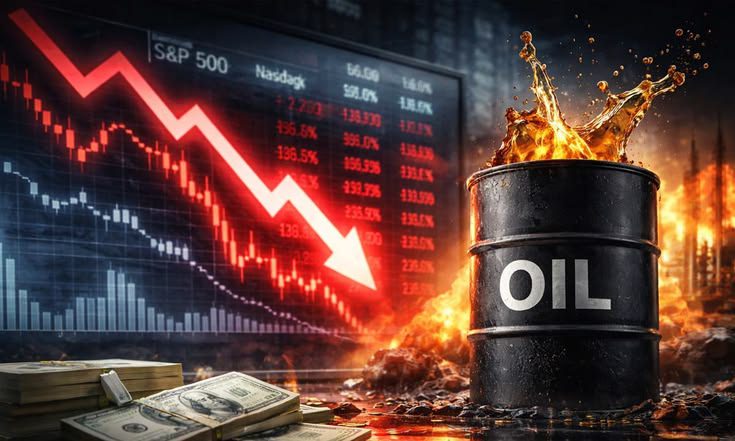
Hệ thống năng lượng toàn cầu đang bước vào một giai đoạn mà các sự cố gián đoạn không còn có thể được hiểu đơn thuần là sự mất cân bằng tạm thời hay biến động có tính chu kỳ. Thay vào đó, chúng ngày càng bộc lộ những lỗ hổng mang tính cấu trúc ăn sâu vào kiến trúc của hệ thống phụ thuộc năng lượng toàn cầu. Những gì bắt đầu như một cuộc xung đột địa chính trị cục bộ giờ đây có khả năng gây ra các hiệu ứng dây chuyền trên khắp các thị trường năng lượng, ổn định kinh tế vĩ mô và các thể chế chính sách.
Đây không chỉ là vấn đề về năng lượng. Nó là một sự kiện gây căng thẳng trên toàn hệ thống, nơi sự phụ thuộc lẫn nhau giữa nguồn cung năng lượng, hiệu suất kinh tế và quá trình ra quyết định chính trị hiện ra hoàn toàn rõ rệt.
1. Báo động sú sốc nguồn cung: Độ nhạy cấu trúc của thị trường dầu mỏ toàn cầu
Việc đột ngột mất đi hơn 12 triệu thùng mỗi ngày – tương đương khoảng 7,5% nguồn cung dầu toàn cầu (cho dù do cắt giảm sản lượng phối hợp hay các cuộc xung đột địa chính trị lớn) – tạo thành một sự gián đoạn với quy mô đặc biệt nghiêm trọng. Tuy nhiên, đằng sau con số tuyệt đối đó là một cái nhìn sâu sắc và quan trọng hơn: sự nhạy cảm tột độ của các thị trường toàn cầu đối với các cú sốc nguồn cung tập trung.
Trong một hệ thống mà dầu mỏ vẫn là đầu vào nền tảng cho giao thông vận tải, sản xuất và logistics, ngay cả những gián đoạn nhỏ nhất cũng có thể tạo ra những tác động khổng lồ. Một cú sốc ở quy mô này không chỉ đơn thuần làm dịch chuyển giá cả – nó định hình lại kỳ vọng trên nhiều tầng lớp của nền kinh tế:
-
Thị trường hàng hóa phản ứng thông qua việc leo thang giá cả nhanh chóng, phản ánh cả sự khan hiếm lẫn vị thế đầu cơ.
-
Các lĩnh vực công nghiệp đối mặt với áp lực chi phí ngay lập tức, đặc biệt là trong các chuỗi sản xuất tiêu tốn nhiều năng lượng.
-
Dòng chảy thương mại toàn cầu phải điều chỉnh khi chi phí vận tải và cước phí tăng cao.
-
Thị trường tài chính định giá lại rủi ro, nhanh chóng đưa yếu tố bất định vào định giá tài sản.
Điều làm khuếch đại tác động hơn nữa là tính co giãn hạn chế của cung và cầu trong ngắn hạn. Hoạt động sản xuất dầu không thể tăng lên ngay lập tức, và tiêu thụ cũng không thể cắt giảm mà không gây ra những hậu quả kinh tế trực tiếp. Sự cứng nhắc này biến các cú sốc nguồn cung thành những yếu tố nhân lên sự căng thẳng mang tính hệ thống.
Do đó, vấn đề cốt lõi không chỉ là bản thân sự gián đoạn, mà là tình trạng cấu trúc mà nó phơi bày: một nền kinh tế kết nối toàn cầu vận hành dựa trên một nền tảng năng lượng tập trung cao độ và thiếu linh hoạt.
2. Chế độ khủng hoảng tại Châu Âu: Sự truyền dẫn từ cú sốc năng lượng sang căng thẳng vĩ mô
Nếu cú sốc nguồn cung đại diện cho nguồn gốc của sự bất ổn, thì Châu Âu chính là minh chứng cho cơ chế truyền dẫn của nó vào nền kinh tế thực.
Do sự phụ thuộc mang tính cấu trúc vào năng lượng nhập khẩu – đặc biệt là khí đốt tự nhiên – Châu Âu phải chịu rủi ro quá lớn trước các gián đoạn bên ngoài. Việc tái kích hoạt các biện pháp thời khủng hoảng, bao gồm trần giá khí đốt và thuế lợi tức phụ trội (windfall taxes), không chỉ đơn thuần là một lựa chọn chính sách; nó phản ánh sự rối loạn chức năng của thị trường dưới các điều kiện căng thẳng tột độ.
Những can thiệp này làm nổi bật một số động lực quan trọng:
-
Sự biến động giá năng lượng nhanh chóng truyền sang lạm phát tiêu dùng, làm xói mòn sức mua và kìm hãm nhu cầu.
-
Sức cạnh tranh công nghiệp suy yếu do chi phí năng lượng tăng cao so với các đối thủ toàn cầu.
-
Các chính phủ buộc phải can thiệp, không phải để tối ưu hóa thị trường, mà để ngăn chặn sự sụp đổ của toàn hệ thống.
Tuy nhiên, những can thiệp như vậy chắc chắn sẽ kéo theo các hệ lụy thứ cấp:
-
Việc kiểm soát giá làm bóp méo các tín hiệu cung-cầu, có khả năng làm trầm trọng thêm tình trạng thiếu hụt.
-
Các biện pháp tài khóa, chẳng hạn như thuế lợi tức phụ trội, có thể làm suy yếu các động lực đầu tư dài hạn vào hạ tầng năng lượng nội địa.
-
Sự bất định về chính sách gia tăng, làm “đóng băng” các quyết định đầu tư cả trong và ngoài nước.
Trong bối cảnh này, Châu Âu không chỉ là một trường hợp ở cấp khu vực – nó trở thành một minh họa ở cấp độ vĩ mô về cách sự phụ thuộc năng lượng chuyển hóa thành sự mỏng manh của nền kinh tế. Chuỗi nhân quả trở nên bám rễ vào cấu trúc của những hệ thống thiếu đi khả năng phục hồi năng lượng:
Cú sốc bên ngoài → Giá Năng lượng tăng vọt → Áp lực lạm phát → Can thiệp chính sách → Thị trường bóp méo
3. Kiểm chứng thực tế thị trường: Phụ thuộc nhiên liệu hóa thạch như một động lực rủi ro cấu trúc
Trong khi sự chú ý trước mắt thường đổ dồn vào biến động giá cả và các phản ứng chính sách, vấn đề sâu xa hơn nằm ở chính kiến trúc của hệ thống năng lượng toàn cầu. Mô hình lặp đi lặp lại được quan sát qua các cuộc khủng hoảng tiết lộ một logic cấu trúc nhất quán:
-
Nguồn cung tập trung: Hoạt động khai thác năng lượng tập trung về mặt địa lý ở những khu vực nhạy cảm về chính trị.
-
Thiếu sản phẩm thay thế: Nhiên liệu hóa thạch thống trị với tư cách là đầu vào năng lượng sơ cấp, với rất ít lựa chọn thay thế trong ngắn hạn.
-
Nhu cầu kém co giãn: Hoạt động tiêu dùng vẫn tương đối cứng nhắc trong ngắn hạn do sự phụ thuộc kinh tế quá lớn.
Dưới những điều kiện này, bất kỳ sự gián đoạn nào – bất kể nguồn gốc từ đâu – đều lan truyền qua hệ thống với cường độ được khuếch đại. Kết quả không phải là sự biến động ngẫu nhiên, mà là một chuỗi bất ổn kinh tế vĩ mô có thể dự đoán được, biểu hiện qua nhiều khía cạnh:
-
Cú sốc lạm phát: Khi chi phí năng lượng len lỏi vào mọi lĩnh vực của nền kinh tế.
-
Hạn chế tăng trưởng: Khi chi phí đầu vào cao hơn làm giảm hiệu suất sản xuất và biên lợi nhuận của doanh nghiệp.
-
Áp lực tài khóa: Khi các chính phủ buộc phải triển khai các khoản trợ cấp hoặc can thiệp tốn kém để bảo vệ người dân.
-
Biến động tài chính: Bị thúc đẩy bởi sự bất định kéo dài và việc định giá lại rủi ro.
Điều này dẫn đến một sự định hình lại mang tính cốt lõi: Hệ thống năng lượng toàn cầu không bị trục trặc – nó đang hoạt động chính xác theo thiết kế cấu trúc của nó. Và chính thiết kế đó vốn dĩ đã mang trong mình sự tổn thương.
4. Từ cú sốc đến cấu trúc: Vòng lặp phản hồi của sự bất ổn
Điều làm cho môi trường hiện tại khác biệt so với các cuộc khủng hoảng trước đây là sự gia tăng tần suất và tính liên kết của các cú sốc này. Gián đoạn năng lượng không còn là những sự kiện đơn lẻ; chúng là một phần của vòng lặp phản hồi rộng lớn hơn liên quan đến địa chính trị, thị trường và các hệ thống chính sách.
Vòng lặp này hoạt động như sau:
-
Bất ổn địa chính trị làm gián đoạn nguồn cung năng lượng.
-
Phản ứng của thị trường khuếch đại sự biến động giá cả.
-
Tác động kinh tế kích hoạt sự can thiệp chính sách.
-
Các động thái chính sách định hình lại kỳ vọng của thị trường.
-
Những mất cân bằng mới xuất hiện, làm tăng tính mỏng manh của toàn hệ thống.
Theo thời gian, vòng lặp phản hồi này làm suy giảm khả năng hấp thụ cú sốc của hệ thống, khiến mỗi đợt gián đoạn tiếp theo lại có tác động mạnh mẽ hơn đợt trước. Trong một môi trường như vậy, sự ổn định không còn là trạng thái mặc định – nó trở thành một kết quả phải được chủ động kiến tạo.
Kết luận: Sự phụ thuộc năng lượng và giới hạn của sự ổn định hệ thống
Các cuộc khủng hoảng hiện tại không nên được hiểu là những hiện tượng dị thường, mà là những tín hiệu cảnh báo chói lọi về các giới hạn mang tính hệ thống. Chúng chứng minh rằng an ninh năng lượng không thể tách rời khỏi ổn định kinh tế, rằng chỉ riêng các cơ chế thị trường là không đủ dưới những ràng buộc về cấu trúc, và rằng các phản ứng chính sách thường chỉ đóng vai trò như “băng dán” giải quyết phần ngọn (triệu chứng) chứ không phải nguyên nhân gốc rễ.
Về cốt lõi, vấn đề này là rõ ràng và không thể chối cãi: Một nền kinh tế toàn cầu được xây dựng trên sự phụ thuộc tập trung vào nhiên liệu hóa thạch không thể duy trì sự ổn định dài hạn trong một môi trường có rủi ro địa chính trị dai dẳng.
Việc giải quyết thách thức này đòi hỏi nhiều hơn là các biện pháp can thiệp thị trường ngắn hạn. Nó đòi hỏi một sự tái cấu trúc lại chính hệ thống năng lượng – chuyển hướng sang sự đa dạng hóa, tính linh hoạt và khả năng phục hồi. Điều này có nghĩa là phải mở rộng quy mô cơ sở hạ tầng năng lượng tái tạo, thúc đẩy công nghệ hạt nhân thế hệ mới, lưu trữ năng lượng và hiện đại hóa lưới điện.
Chừng nào những thay đổi về mặt cấu trúc này chưa được hiện thực hóa, các cú sốc nguồn cung sẽ tiếp tục tiến triển thành các cuộc khủng hoảng kinh tế vĩ mô, và sự bất ổn sẽ không còn là ngoại lệ, mà sẽ trở thành đặc điểm xác định của bức tranh năng lượng toàn cầu.